From Factory Floor to Boardroom: Why B2B Manufacturers Can No Longer Afford to Ignore Brand
Branding for B2B
5 min read
For decades, manufacturing businesses won contracts on product quality and relationships. Both still matter. But the buying environment has changed.
Manufacturing is, at its core, a product business.
The quality of what you make, the precision with which you make it, the reliability of your delivery and your after-sales support — these are the things that win and retain enterprise contracts. They're the things manufacturers invest in, obsess over, and rightfully take pride in.
Brand, in this context, has traditionally felt beside the point. The product speaks for itself. The relationship carries the deal. The quality of the work earns the renewal.
That logic held for a long time. It's holding less well now.
What's Changed in B2B Manufacturing
The buying journey for B2B manufacturing contracts has undergone a structural shift in the last decade — one that most manufacturers in India have felt but not yet fully responded to.
Enterprise procurement has professionalised. Where a supply chain decision once moved through a personal network — a recommendation, a factory visit, a lunch — it now moves through a structured evaluation process involving multiple stakeholders, formal RFPs, and systematic vendor comparison. The relationship still matters. But it now operates alongside a procurement process that has its own logic.
That process starts online. Before a factory visit happens, before a reference call is made, before any human contact is initiated, a procurement team has already researched your company. They've visited your website. They've evaluated your capability documentation. They've formed an initial impression of whether you're the kind of supplier they'd stake their supply chain on.
In that pre-contact window, your brand is the only thing doing the work.
And simultaneously, Indian manufacturing is entering export markets — Europe, the Middle East, Southeast Asia — where buyers have no existing relationship with you, no word-of-mouth context, and no basis for trust except what your brand communicates on first encounter.
In these contexts, "the product speaks for itself" is no longer a viable strategy. The product doesn't get a chance to speak until the brand has already opened the door.
---
The Specific Brand Challenges Manufacturing Companies Face
The physical-digital disconnect. Most manufacturing businesses have invested significantly in how they present physically — factory facilities, equipment, safety standards, team presentation. The digital presence often lags a decade behind. A buyer who visits your plant comes away impressed. A buyer who visits your website before deciding whether to visit your plant often doesn't get that far.
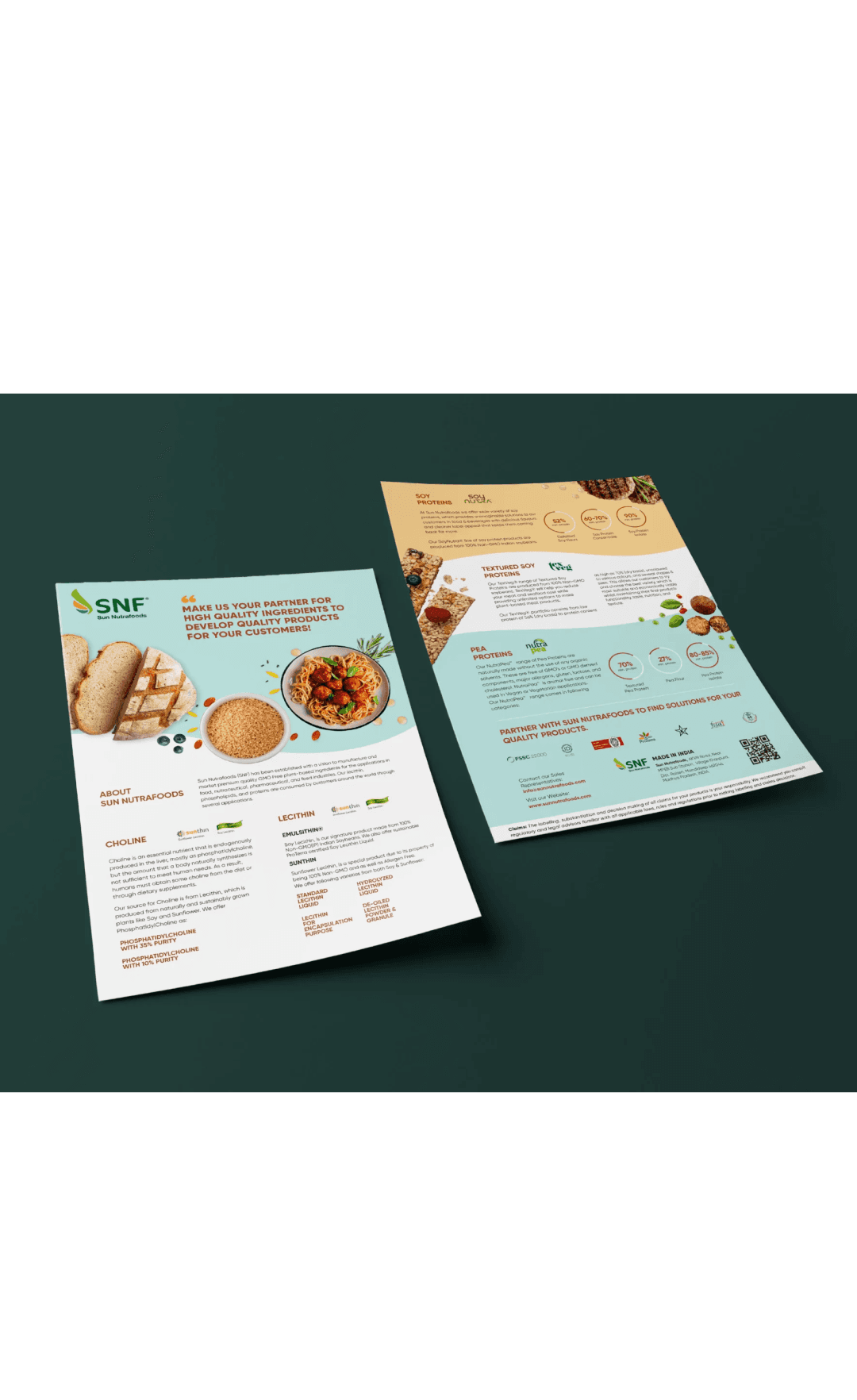
The capability-presentation gap. Manufacturing companies routinely undersell what they do. Capabilities that are genuinely impressive — precision tolerances, certifications, production volumes, client roster — get buried in dense PDFs or described in language that only an engineer would find compelling. B2B brand strategy for manufacturers is partly about translating genuine technical capability into language and visuals that resonate with procurement directors, supply chain managers, and CFOs — the people who make the final call.
The generational handover. A significant proportion of Indian manufacturing businesses are in the middle of a generational transition — from founders to second or third-generation leaders. The outgoing generation built the business on personal relationships. The incoming generation needs to build a brand that can create relationships at scale, with buyers who've never met anyone from the company.
Export market credibility. A brand that reads as credible and professional in a domestic context — where buyers may already know your reputation — can read as anonymous and undifferentiated to an international buyer encountering you for the first time. Export ambition requires brand investment that matches it.
What B2B Brand Strategy Looks Like in Manufacturing
It starts with the website — rebuilt not as a digital brochure but as a credibility infrastructure. One that communicates capability clearly, shows the standard of work visually, and makes it easy for a procurement director to understand within 90 seconds whether you can handle what they need.
It extends to capability documentation — case studies, technical sheets, certification summaries — designed to the same visual standard as the website, structured for the buyer rather than the engineer.
It includes the pitch and proposal process — materials that reflect the same rigour the company applies on the factory floor, that communicate quality before the meeting starts.
And it requires a consistent visual system across every touchpoint — because consistency itself is a signal. In manufacturing, a company that applies the same standard to its brand materials as it does to its product quality is telling the buyer something important: we don't have two standards. We have one.
The Competitive Opportunity
Most of your competitors haven't done this work yet.
B2B manufacturing is a sector where strong brand is genuinely rare — which means the bar for standing out is lower than in more brand-aware categories. A manufacturing business with a coherent, professional brand presence doesn't just look better than its competitors. It creates a perception gap that's extremely difficult to close without the same level of brand investment.
The manufacturers winning enterprise contracts in the next decade — domestically and internationally — won't just be the ones with the best machines.
They'll be the ones whose brand says: we apply the same standard to everything we do.
If you're a manufacturing business looking to close the gap between the quality of your product and the quality of your brand, let's talk!